
Wildfire-Ready Rentals in Montana: How Property Owners Can Protect Their Investment
Montana’s scenery is one of the biggest reasons people choose to live, vacation, and invest here. But with that beauty comes a growing reality: wildfireseason is longer, drier, and more unpredictable than ever.
For rental property owners, wildfire preparedness isn’t just about safety — it directly impacts insurance costs, property value, occupancy, and long-term return on investment.
Whether you own a long-term rental in Helena, a furnished mid-term property, or a vacation home near the mountains, taking proactive steps now can protect both your property and your income.
Why Wildfire Preparedness Matters for Rental Owners
Across Montana, owners are experiencing:
- Rising insurance premiums in fire-risk zones
- Coverage restrictions or non-renewals
- Increased tenant and guest safety concerns
- Emergency access challenges in wooded or rural areas
Wildfire preparedness is essential for Montana rental property owners because it protects both the physical home and the financial performance of the rental investment. Across Montana, longer and more intense fire seasons can affect insurance availability, maintenance expenses, tenant safety, and occupancy rates, making proactive planning a key part of responsible property management. Create defensible space, upgrade fire-resistant exterior features, and provide a clear emergency plan to reduce wildfire risk, support insurance compliance, and reassure tenants and guests that you professionally maintain the rental property. Ultimately, investing in wildfire safety isn’t just about protection — it helps preserve property value, maintain consistent rental income, and safeguard long-term owner ROI. A wildfire-ready Montana rental demonstrates to insurers and renters that you actively manage the property, maintain strong safety standards, and prepare the home for seasonal wildfire risks.
Create a Defensible Space Around the Home
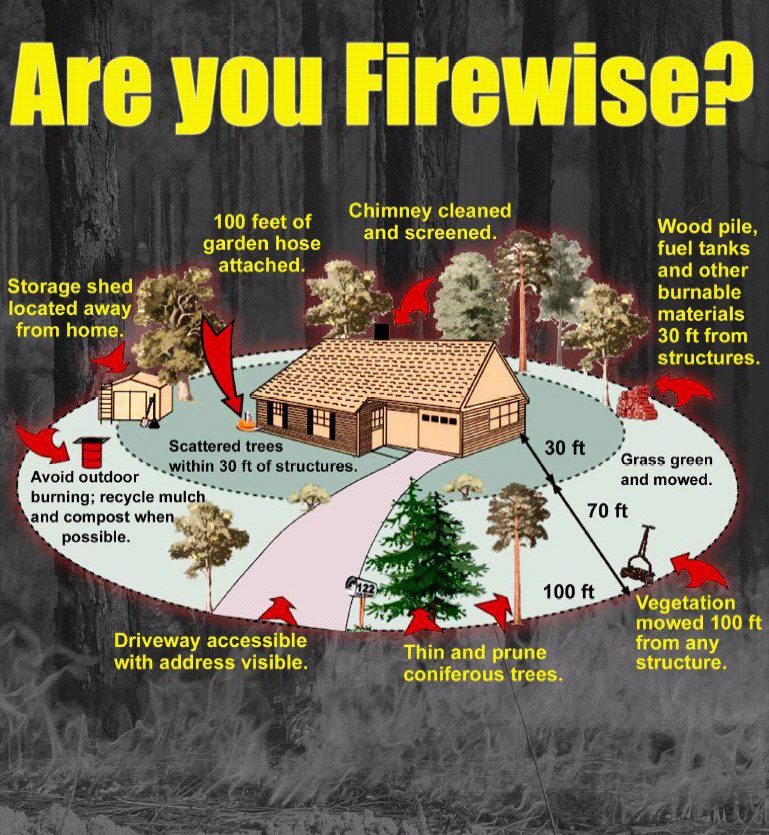
The most important wildfire protection step is creating defensible space, a safety buffer between your rental property and nearby vegetation. Instead of dense trees and brush reaching the home, wildfire-ready rentals use safety-focused landscaping. This includes a non-flammable zone directly around the structure. Space trees apart instead of letting them grow in tight clusters. Trim branches so they do not hang over the roof. Keep the ground beneath trees clear of shrubs, leaves, and debris. The driveway should allow emergency vehicle access and display a clearly visible address. These steps do not make the property look bare or unattractive. They create a landscape that balances natural beauty with strong wildfire safety.
Immediate Zone (0–5 feet from the home)
- Remove pine needles, leaves, and debris
- Replace wood mulch with gravel or stone
- Keep decks clear of firewood and flammable materials
Intermediate Zone (5–30 feet)
- Trim tree branches so they are spaced apart
- Remove dead shrubs and brush
- Maintain short, irrigated grass if possible
Extended Zone (30–100 feet)
- Thin dense tree growth
- Remove ladder fuels beneath trees
- Ensure emergency vehicle access is clear
Check and update these wildfire preparedness measures for your Montana rental property each year before fire season to stay protected and compliant.
Upgrade Exterior Features for Fire Resistance
Small upgrades can dramatically reduce ignition risk and improve insurability. Upgrading a rental property’s exterior for fire resistance is one of the most effective ways to reduce wildfire damage risk. While landscaping and defensible space help slow approaching flames, the materials on the outside of the home determine whether the structure itself will ignite if exposed to heat or wind-blown embers.
In most Montana wildfires, embers ignite homes before flames ever reach the structure. Wind-blown embers land on roofs, enter vents, and catch on combustible siding, decks, or gutters, creating serious wildfire risk for rental properties.In most wildfires, homes are not lost because flames directly reach them. Fire-resistant exterior features such as metal or Class-A rated roofing, ember-resistant vents, tempered glass windows, and non-combustible siding reduce the chances that these small ignition points turn into major structural fires.
For rental property owners, these upgrades also offer practical financial benefits. Fire-resistant improvements can help maintain insurance eligibility, potentially lower premiums, reduce long-term maintenance costs, and protect occupancy by reassuring tenants and guests that the home is well prepared for Montana’s fire season. Ultimately, investing in exterior fire resistance isn’t just about safety — it’s about safeguarding your property value, rental income, and long-term investment.
Provide a Clear Emergency Plan for Occupants
Having a clear emergency plan for occupants helps ensure that the guests know exactly what to do if a wildfire or other emergency occurs, reducing confusion and panic during a stressful situation. When you share evacuation routes, emergency contacts, and safety steps in advance, tenants and guests can respond quickly and safely during an emergency. For Montana rental property owners, a clear emergency plan demonstrates responsible property management, improves tenant safety, helps protect lives and property, supports insurance expectations, and builds trust with renters who feel more secure in a well-prepared home.
All rental properties should include a simple wildfire response plan that should include:
- Local evacuation routes
- Emergency contact numbers
- Instructions for propane shut-offs
- Information about local emergency alerts
For Montana short-term rentals, add emergency procedures to the house manual or guest guide to support tenant safety and protect your rental property. Well-informed guests respond more calmly in emergencies and help reduce safety risks.
Schedule Ongoing Seasonal Maintenance
Wildfire readiness isn’t a one-time checklist. It requires consistent monitoring. Ongoing seasonal maintenance helps protect your Montana rental property by preventing small issues from becoming costly repairs . Regular tasks like clearing debris, trimming vegetation, and inspecting exterior features reduce wildfire risk, support insurance requirements, and help maintain property value, tenant satisfaction, and consistent rental income. Without ongoing oversight, properties can quickly become vulnerable again.
Wildfire Preparednes Protects your ROI
Wildfire preparedness directly protects an owner’s return on investment by reducing the risk of costly damage, insurance complications, and unexpected vacancies. Accordingly, properties that are proactively maintained with defensible space, fire-resistant features, and emergency planning are more likely to maintain insurability, avoid expensive emergency repairs, and remain attractive to tenants and guests during fire season. This stability helps preserve consistent rental income, protects long-term property value, and can even improve resale appeal. Furthermore, investing in wildfire readiness isn’t just a safety measure — it’s a strategic way to safeguard cash flow and the overall performance of your Montana rental investment. Mitigation isn’t just about avoiding disaster — it’s a smart financial strategy.
In Montana’s evolving rental market, risk-managed properties consistently outperform neglected ones.
Final Thoughts
Wildfire preparedness is no longer optional for Montana rental owners. It’s an essential part of protecting your property, your tenants, and your long-term investment.
Planning ahead today helps ensure your rental stays safe, competitive, and profitable for years to come.
At 406 Capital Properties, we help owners stay ahead of seasonal risks through proactive maintenance planning, vendor coordination, and local Montana expertise — so your investment stays protected year-round.